

All Things PRP
Harnessing the body’s healing power from within a nonsurgical, minimally invasive alternative to aid in some of the following areas:
Aesthetics: Microneedling with PRP, Skincare with PRP (skin regeneration/rejuvenation)
Hair loss: Restoration, regeneration, and growth
What is Platelet Rich Plasma (PRP)?
The fluid part of the blood that has a higher concentration of platelets compared to what is normally circulating in our body.
-
Formed in the bone marrow, the platelet is a part of stem cells (PRP is not “stem cells”)– its job is to clot blood and heal damaged tissue by creating new tissue. How? Platelets contain growth factors, cytokines and chemokines (these last 2 direct cell traffic, by using chemical signals to induce changes in other cells). With stem cells performing in the body’s repair system, platelets can then be viewed as the holy grail in these procedures, in that they contain vast amounts of bioactive proteins generating new tissue.
-
60 minutes, which includes the consultation, consent and the actual treatment
-
In a sterile fashion, a small sample of your blood is taken. Vials are placed in a centrifuge machine to spin the blood, separating the red blood cells from the plasma and platelets (the Golden Serum is the term I use in the clinic). The platelets are appropriately concentrated for the procedure; this separates the components of the blood and condenses the PRP into a usable substance. In a sterile fashion, the PRP is extracted from the blood sample.
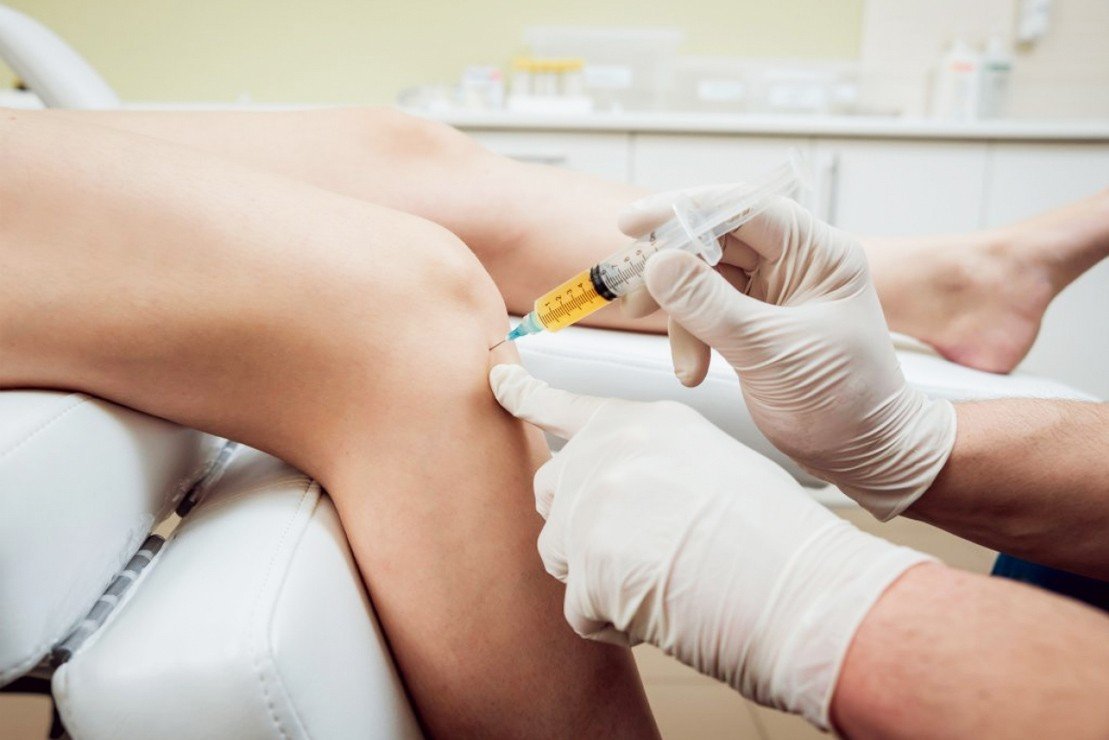
At this point, the plasma is reinjected into the body/face/scalp to promote and repair connective tissues. For skin procedures collagen is critical in maintaining firm skin. In aesthetics, this process puts collagen-boosting power to work on the skin without having to undergo surgery.
-
3 Days: It will take 3 days for the body to absorb the injected PRP
3 Weeks: PRP will begin to work, activating cells in the body, promoting regeneration in 3 weeks
3 Months: Healing should be completed, or nearly completed in 3 months.
-
I offer a consultation with all current and prospective clients on the therapy they are considering. The goal is that you know all the benefits and any possible risks, and have a clear understanding of the outcome. Your comfort and confidence is crucial to any successful treatment
Step 1: Consultation & Pre-Treatment Preparation
Step 2: Will then be invited back for a blood draw. Once blood is taken, there will be a short wait time for your PRP spin and then preparation for your treatment. During this short wait you can either enjoy a Dry Salt treatment (only 10 minutes) or relax in the calming, comfortable IV Nutrition Suite.
History & Science of PRP
From Hematologists & Operating Rooms to In-Office Settings:
1971- Hematologists (doctors who treat blood disorders) created the term PRP. They used PRP in transfusions to treat people with low platelet counts. PRP was termed when describing plasma with a platelet count higher than the blood circulating throughout the body (peripheral blood).
1981- Dentists began using PRP/PRF in facial surgeries to aid in bone growth surrounding dental implants, particularly in people with poor-quality bone. PRP’s properties were naturally anti-inflammatory and helped new cells grow, proving to be beneficial in this setting.
Late 1980’s-Early 1990’s – Surgeons began using PRP during surgical procedures: facial reconstruction, cosmetic, and skin grafting. PRP in this setting proved to help with wound-closures, reduction in inflammation and just like in the dental realm, increased new cell growth
Early 2000’s – Orthopedic specialists began using PRP in hip and knee replacement surgeries by adding PRP to bone grafts, which enriched the bone graft, thereby improving surgical outcomes.
Resources:
-
Avoid any anti-inflammatories for several weeks
Discontinue any prednisone or other corticosteroid injections 3-weeks prior and 4 weeks after
• Aspirin
• Motrin
• Aleve
• Naprosyn
• Naproxen
• Voltaren
• Advil
• Ibuprofen
• Meloxicam
• Mobic
• Celebrex
• Daypro
• Feldene
• Lodine
• Ansaid
-
PRP does have the best evidence behind it as compared to other treatments in these fields of study (ortho, aesthetics/cosmetics, hair restoration, and more). It can kick start a new healing process in areas that otherwise wouldn’t have one.
Patients experiencing pain from arthritis may benefit in relief of decreased pain, improving function and/or eliminating the need for anti-inflammatory meds (which are known to be toxic and have their own risks).
-
There is likely a need for repeat treatments (in aesthetics, cumulative effects = best outcome)
-
PRP is not stem cells
PRP is not a cure, however, has been shown to have positive outcomes in various conditions
No treatment is always guaranteed to work
PRP does not magically connect tears (ex: torn rotator cuff or ACL)
-
• Platelet dysfunction syndrome
• Local infection at the site or open skin
• Critical thrombocytopenia
-
Consistent use of NSAIDs prior to the procedure (especially within 24 hours but maybe as long as 5 days)
Corticosteroid injection at the treatment site within 1 month
Systemic use of steroids within 4 weeks of treatment
Tobacco use
Recent illness or fever
Cancer (esp. blood or bone-derived)
Hemoglobin 10 or below
Platelet count less than 105